- SPECIALIST ORTHOPAEDIC SURGEON | MELBOURNE, VIC | ALBURY, NSW | MORNINGTON, VIC |
- 03 9421 6133

Failed knee replacement
Understanding what can go wrong after a knee replacement and how revision surgery may help restore comfort and function
Knee replacement surgery is generally a successful and long-lasting solution for relieving pain and restoring mobility in patients with severe knee arthritis. However, in some cases, a knee replacement may become painful, unstable, or fail to function as intended. This is known as a failed or problematic knee replacement and may require further investigation or revision surgery.
Symptoms may arise months or years after the original operation and can significantly affect quality of life. While most knee replacements last 15–20 years or longer, failure can occur due to implant wear, loosening, infection, instability, or other mechanical problems.
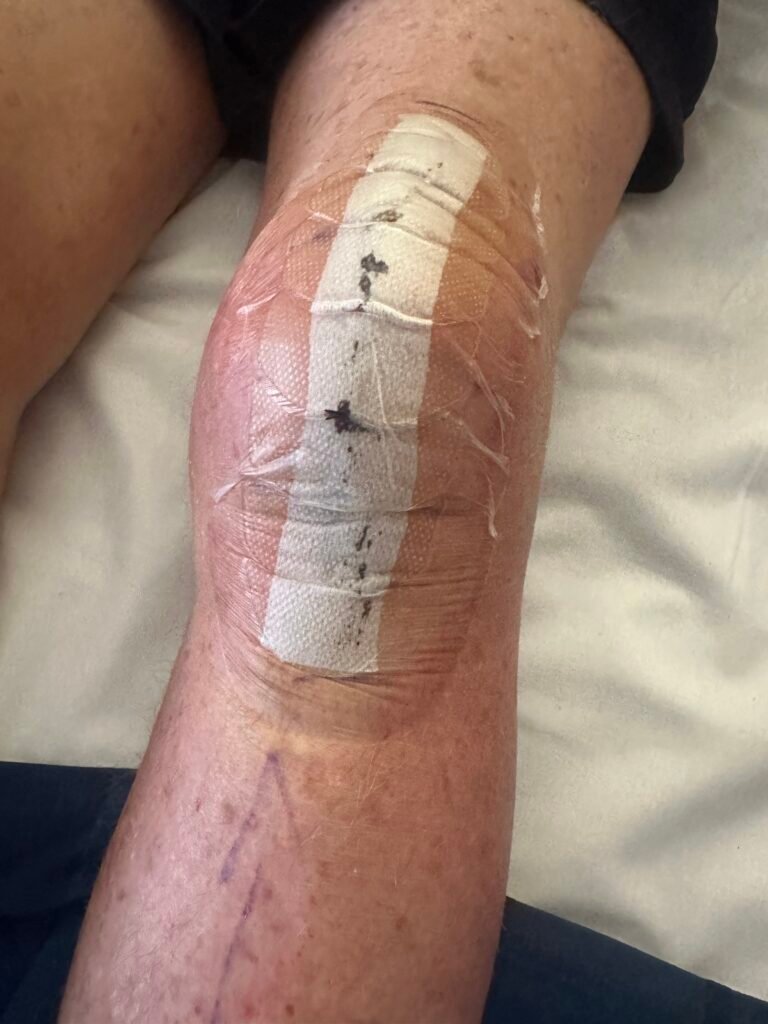
This page explains the common signs, causes, and treatment options for a failed knee replacement, including when revision knee surgery may be considered.
According to the Australian Orthopaedic Association National Joint Replacement Registry (AOANJRR), approximately 5% of primary total knee replacements require revision within ten years.
Symptoms of a failed knee replacement
If you’ve previously undergone knee replacement surgery and are now experiencing ongoing symptoms, it may indicate a problem with the implant. Common symptoms include:
- Persistent or worsening knee pain
- Swelling, warmth, or redness around the joint
- Instability or a feeling that the knee might give way
- Reduced range of motion or stiffness
- Clicking, grinding, or unusual noises in the knee
- Difficulty walking or performing everyday activities
- A sense that the knee doesn’t feel “right” or has changed over time
These symptoms may develop gradually or suddenly and should always be reviewed by an experienced orthopaedic surgeon like Dr Hockings.
What can cause a knee replacement to fail?
There are several possible reasons a knee replacement may not function as expected. These may include:
- Implant loosening - Over time, the bond between the implant and bone may weaken, causing pain and instability.
- Infection (Periprosthetic joint infection) Bacteria can enter the joint during or after surgery, leading to infection. This is a serious complication that often requires surgical treatment.
- Implant wear or mechanical failure - Polyethylene (plastic) components can wear down or fracture over time, especially in highly active patients.
- Instability or malalignment- If the implant is not properly aligned or the surrounding ligaments are imbalanced, the knee may feel unstable or move abnormally.
- Stiffness and scarring - Excessive scar tissue can limit joint movement and cause pain or dysfunction.
- Fractures around the implant- A fall or injury may cause a fracture near the knee implant, especially in patients with weakened bone.
Dr Jason Hockings will conduct a detailed assessment, including X-rays, blood tests, and possibly advanced imaging or joint aspiration, to determine the specific cause.
How is a failed knee replacement diagnosed?
Diagnosis involves a comprehensive clinical and radiological review. This may include:
- Physical examination to assess mobility, alignment, and symptoms
- Blood tests to screen for signs of infection or inflammation
- Joint aspiration (fluid sample) to check for infection-causing bacteria
- X-rays to evaluate implant position, loosening, or bone loss
- CT or nuclear bone scans in select cases to evaluate complex issues
Accurate diagnosis is critical to guide the right treatment pathway, especially if revision surgery is being considered.
Non-surgical treatment options
Treatment will depend on the underlying cause, severity of symptoms, and overall health. If symptoms are mild or related to soft tissue problems (not implant failure), management may include:
- Physiotherapy to address weakness or stiffness
- Anti-inflammatory medications or pain relief
- Bracing or walking aids to support the joint
If, however, the implant is loose, worn, infected, or otherwise compromised, non-surgical treatments are unlikely to be effective long-term.
If the knee replacement has failed due to mechanical wear, infection, instability, or loosening, revision surgery may be required. Revision knee replacement involves removing part or all of the original implant and replacing it with new components. This procedure is more complex than the initial surgery and requires specialised planning and surgical experti
Dr Jason Hockings uses modern revision techniques tailored to the patient’s anatomy and the reason for failure. Revision surgery may involve:
- Complete removal of the old implant and bone cement
- Bone grafting or use of augments to fill areas of bone loss
- Specialised revision implants to provide improved fixation and stability
- Careful realignment and soft tissue balancing
In cases of infection, surgery is typically staged:
- First stage: Removal of the implant, joint washout, and placement of an antibiotic spacer
- Second stage (after infection control): Re-implantation of the new prosthesis
Many patients experience significant relief of pain and improved function following revision knee surgery however, outcomes may depend on the cause of failure, bone quality, and overall health.
Dr Hockings will carefully explain the potential benefits, limitations, and risks, including:
- Longer surgical time and hospital stay
- Greater risk of complications compared to primary surgery
- Need for tailored rehabilitation and ongoing monitoring
With appropriate evaluation and surgical technique, revision knee replacement can help restore stability, reduce pain, and improve mobility in patients with a failed knee replacement.

If you’re experiencing ongoing pain, stiffness, or reduced movement that is affecting your daily activities or quality of life, a thorough orthopaedic assessment can help determine the cause and guide the most appropriate treatment options for your situation.