- SPECIALIST ORTHOPAEDIC SURGEON | MELBOURNE, VIC | ALBURY, NSW | MORNINGTON, VIC |
- 03 9421 6133

Failed Hip Replacement
Understanding why a hip replacement may stop functioning properly over time
Total hip replacement surgery is generally a highly successful procedure that offers long-lasting relief from pain and significantly improves mobility. However, in some cases, problems can develop months or years after the original operation. This is referred to as a failed hip replacement.
A hip replacement may fail for several reasons, including implant wear, loosening, infection, dislocation, bone loss, or fracture. When this occurs, patients often begin to experience pain, instability, reduced mobility, or difficulty performing daily activities that were previously manageable.
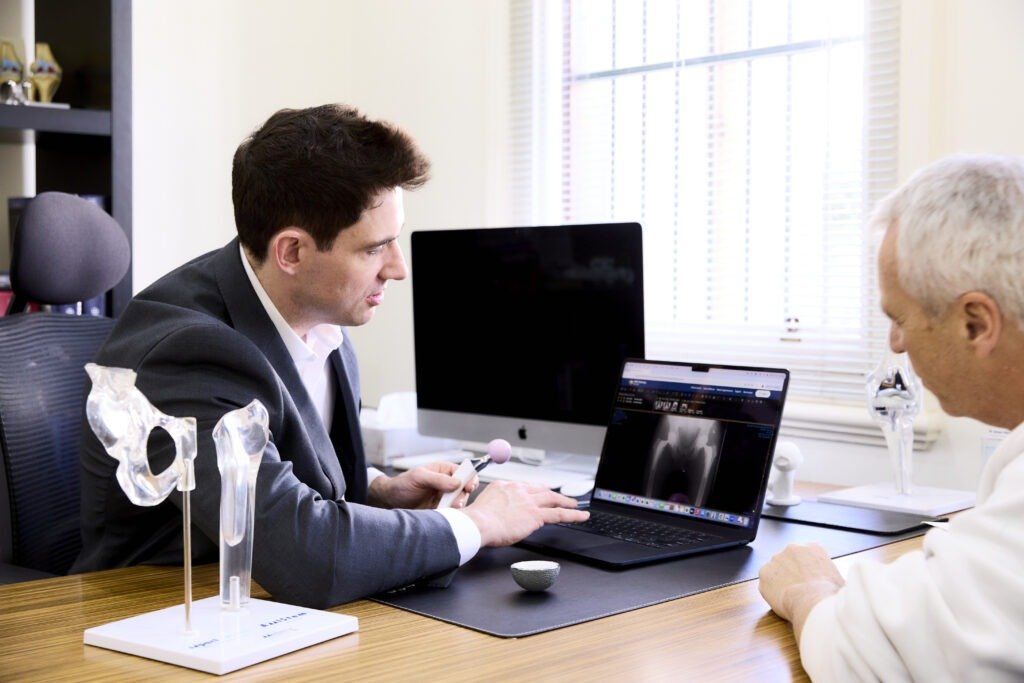
It’s important to understand that not all symptoms following a hip replacement indicate failure. However, if you experience increasing discomfort or reduced function over time, a thorough assessment by an orthopaedic surgeon is recommended.
This page explores the common causes, warning signs, diagnostic process, and treatment options for failed hip replacements. In some cases, revision hip replacement surgery may be considered to restore comfort and joint function.
In the 2023 AOANJRR report, the 10-year revision rate benchmark for primary total conventional hip replacement was 4.3%
What is a failed hip replacement?
Total hip replacement is generally a highly successful procedure for relieving pain and restoring mobility in people with hip arthritis. However, in some cases, the implant may stop functioning as intended over time and this is referred to as a failed hip replacement.
A failed hip replacement does not always mean the implant has broken. Failure may occur due to loosening, wear, infection, instability, or other mechanical or biological issues that affect the function of the prosthesis.
When this occurs, a second operation called revision hip replacement surgery may be required to address the problem and restore joint function.
What causes a hip replacement to fail?
Hip replacements may fail for several reasons, including:
- Implant loosening: Over time, the bond between the bone and the implant may weaken.
- Wear of implant materials: The artificial bearing surfaces may wear down, releasing particles into the joint.
- Dislocation or instability: The ball may come out of the socket, especially if the soft tissues are weak.
- Infection: A deep infection can lead to pain, swelling, and implant failure.
- Fracture around the implant: A fall or trauma can break the bone around the prosthesis.
- Leg length discrepancy or abnormal gait after the first surgery.
- Osteolysis: Bone loss triggered by the body’s reaction to wear particles.
The risk of these issues increases over time, especially in younger or more active patients, or when implants are in place for many years.

Common symptoms of implant failure
Symptoms of a failing hip replacement can vary depending on the underlying issue. You may experience:
- Pain in the hip, groin, thigh, or buttock
- A sense of instability, clicking, or giving way
- Limping or difficulty walking
- Swelling or redness around the hip
- Changes in leg length or posture
- Ongoing discomfort despite a previously successful surgery
- Sudden pain following trauma or a fall
- Drainage or signs of infection
If you experience these symptoms after hip replacement surgery, it’s important to seek assessment to determine the cause.
How is a failed hip replacement diagnosed?
Diagnosing implant failure involves a combination of clinical assessment, imaging, and laboratory testing.
Dr Jason Hockings will:
- Take a detailed history of your symptoms and surgical history
- Perform a physical examination to assess mobility, strength, and stability
- Order appropriate imaging tests, which may include:
- X-rays to assess implant positioning and detect loosening or fractures
- CT or MRI scans (where appropriate) to evaluate bone loss or surrounding tissues
- Bone scans to detect subtle loosening or infection
- Request blood tests to look for signs of infection or inflammation
- If infection is suspected, a joint aspiration may be required
These investigations help guide the most appropriate treatment plan, whether surgical or non-surgical.
When is revision surgery recommended?
Revision hip replacement may be recommended if:
- Imaging shows the implant is loose, malaligned, or worn
- There is confirmed infection in the joint
- Dislocations or instability continue despite non-surgical measures
- The implant has failed mechanically (e.g. breakage, fracture, severe wear)
- Symptoms are significantly affecting quality of life or mobility
In some cases, early intervention may help preserve bone stock and improve outcomes.
Revision hip replacement surgery is a procedure performed when a previous hip replacement has failed, worn out, or developed complications such as loosening, infection, dislocation, or fracture. The goal of revision surgery is to remove the damaged or failing components and restore stability, comfort, and function to the hip joint. Revision procedures are often more complex than primary (first-time) hip replacements, particularly if there is significant bone loss, implant wear, or soft tissue damage. Careful planning and tailored surgical strategies are essential to achieve the best possible outcomes.
Depending on the specific situation, Dr Jason Hockings may:
- Remove and replace one or both components of the prosthesis (femoral and/or acetabular)
- Use specialised revision implants, such as longer femoral stems or dual mobility cups for enhanced stability
- Perform bone grafting or use metal augments to rebuild areas of bone loss
- Address soft tissue problems such as tendon damage or instability
Each revision surgery is carefully planned using advanced imaging and MyHip software to ensure precise pre-operative assessment and implant selection. Dr Hockings will discuss the most appropriate surgical approach based on the condition of your existing implant and overall joint health. So, if you have ongoing pain or difficulty following hip replacement surgery, or have been told your implant may be failing, Dr Jason Hockings can provide a comprehensive assessment and discuss whether revision surgery may be appropriate.
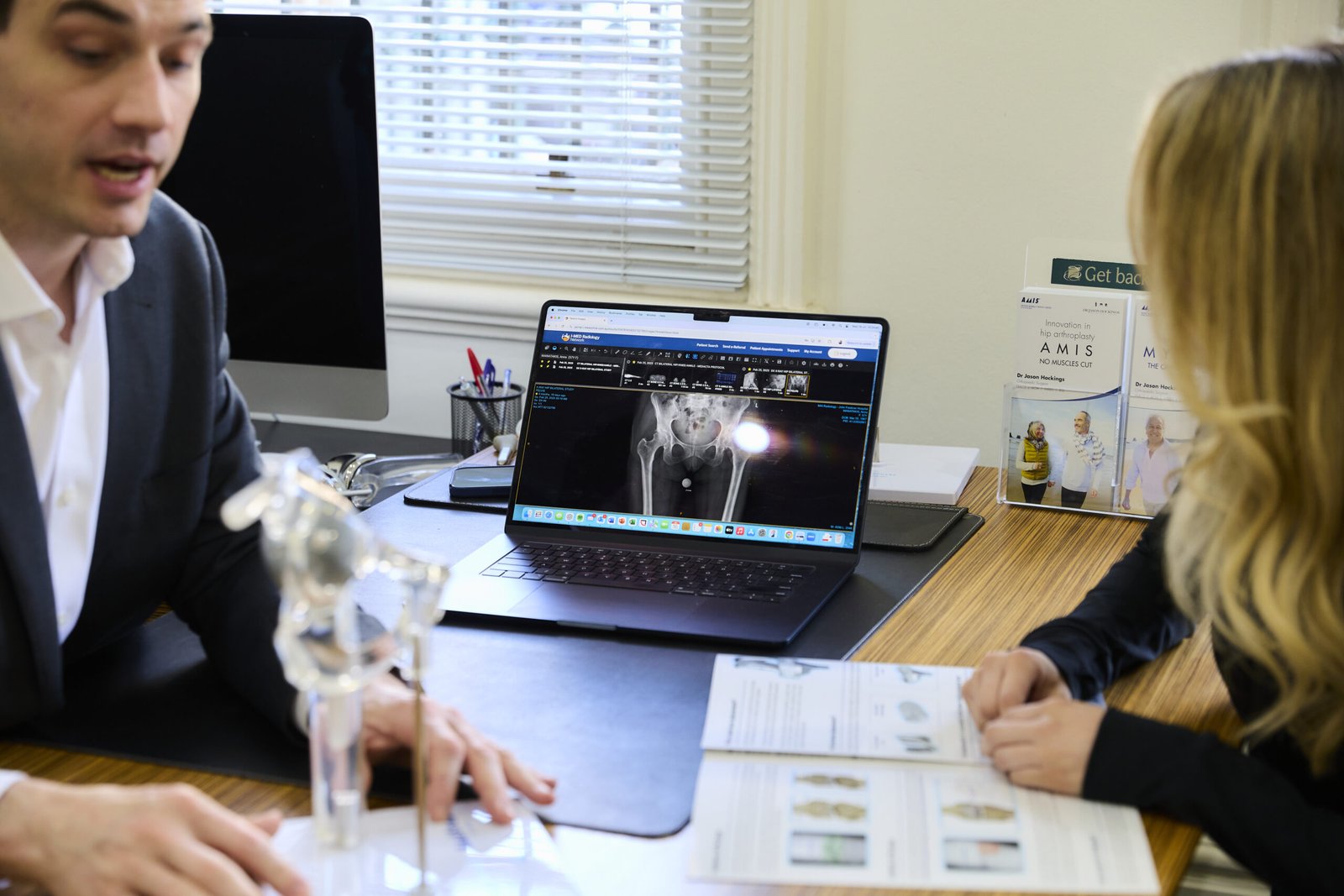
If you’re experiencing ongoing pain, stiffness, or reduced movement that is affecting your daily activities or quality of life, a thorough orthopaedic assessment can help determine the cause and guide the most appropriate treatment options for your situation.