- SPECIALIST ORTHOPAEDIC SURGEON | MELBOURNE, VIC | ALBURY, NSW | MORNINGTON, VIC |
- 03 9421 6133

Hip Arthroscopy
A minimally invasive procedure to diagnose and treat hip joint problems early
Hip arthroscopy is a keyhole procedure that allows Dr Hockings to diagnose and treat a range of painful hip joint conditions using small incisions, a camera (arthroscope), and specialised surgical instruments. For many patients, particularly those who are younger or physically active, this minimally invasive approach may provide significant pain relief, restore mobility, and help delay or avoid the need for a total hip replacement.
Hip arthroscopy is often used to treat conditions such as femoroacetabular impingement (FAI), labral tears, tendon-related issues, synovitis, and loose bodies within the joint. When performed early, it may help protect your natural joint surfaces and preserve long-term hip function.
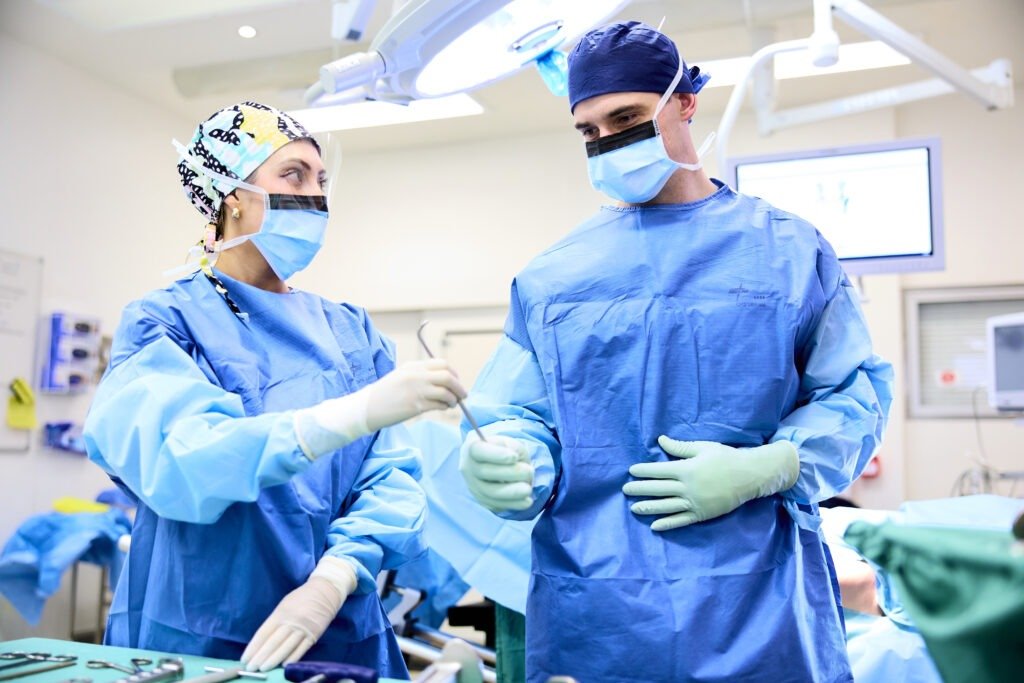
Dr Hockings tailors each hip arthroscopy to the patient’s unique anatomy and diagnosis, using advanced techniques to target the underlying problem while preserving as much of the healthy joint as possible.
When is hip arthroscopy recommended?
Hip arthroscopy is typically recommended when non-operative treatments have not successfully relieved your symptoms and imaging or physical examination suggests structural problems inside the hip joint that may be amenable to minimally invasive surgery.
You may be a candidate for hip arthroscopy if:
- You have persistent hip or groin pain that does not improve with rest, physiotherapy, anti-inflammatory medications, or activity modification
- Imaging (MRI or CT scans) shows damage to key joint structures such as the labrum (cartilage rim around the socket), articular cartilage, or surrounding tendons
- You experience mechanical symptoms such as clicking, catching, locking, or a sensation of instability within the joint
- Femoroacetabular impingement (FAI) or labral tears are suspected, based on your symptoms, physical examination, and imaging findings
- Pain is limiting your daily activities, work, or sports performance, and there is evidence that surgical intervention may restore function and relieve discomfort
- You have loose bodies or inflammation (synovitis) within the hip joint contributing to pain and restricted motion
- You are a younger or active adult wishing to preserve your native joint and avoid or delay a hip replacement
Conditions commonly treated with hip arthroscopy
The following are some of the more common conditions treated with this approach:
- Femoroacetabular Impingement (FAI): FAI occurs when there is abnormal contact between the ball (femoral head) and socket (acetabulum) of the hip joint. This can be due to extra bone formation on the femoral neck (cam impingement), the rim of the socket (pincer impingement), or both. Over time, this abnormal contact can damage the labrum and cartilage, leading to pain, reduced range of motion, and early arthritis. Hip arthroscopy allows Dr Hockings to reshape the bone, restore joint clearance, and prevent further damage.
- Labral Tears: The labrum is the ring of cartilage that lines the rim of the hip socket, helping to stabilise the joint and maintain a suction seal. Tears in the labrum can occur from trauma, repetitive motion, or as a result of FAI. Arthroscopy can be used to either repair the labrum using small anchors or to debride (clean up) frayed tissue depending on the tear type and quality of the tissue.
- Iliopsoas Tendon Tightness or Snapping: The iliopsoas tendon, which helps lift the leg at the hip, can sometimes snap over bony structures or become tight and inflamed. This may cause pain or an audible “snapping” sound during certain movements. Arthroscopic iliopsoas lengthening can release tension in the tendon, relieving symptoms without the need for open surgery.
- Cartilage Injuries: Damage to the articular cartilage (the smooth lining on the ends of bones) may occur due to injury, FAI, or early degeneration. Arthroscopy allows for targeted treatment including chondroplasty (smoothing the cartilage), microfracture (stimulating new cartilage growth), or other restorative techniques. Early intervention may help delay the progression of arthritis and the need for joint replacement.
- Loose Bodies: Fragments of bone or cartilage may become dislodged in the joint, causing catching, locking, or pain. These “loose bodies” can be effectively located and removed during hip arthroscopy to restore smooth movement and reduce irritation.
- Hip Synovitis or Early Arthritis: Inflammation of the joint lining (synovitis) can cause persistent hip pain, often associated with autoimmune or degenerative conditions. Arthroscopy may be used to debride inflamed tissue or wash out the joint. In select cases of early arthritis, hip arthroscopy may provide symptomatic relief and temporarily delay further joint deterioration.
- Hip Instability or Impingement Syndromes: Some patients experience feelings of giving way or instability in the hip, particularly with movement or certain postures. Arthroscopy can be used to address structural abnormalities or soft tissue laxity contributing to this sensation. It may also treat syndromes where tendons are compressed or inflamed due to limited space in the joint.
- Hip Microinstability: Hip microinstability refers to subtle, excessive movement of the femoral head within the socket due to ligament laxity, labral injury, or bony abnormalities. Unlike gross dislocation, microinstability often presents with vague symptoms such as hip pain, a feeling of the joint ‘slipping,’ clicking, or giving way—especially during twisting or pivoting movements. It can be caused by developmental conditions (like mild dysplasia), repetitive strain (common in dancers and athletes), or previous injuries.
Through hip arthroscopy, Dr Hockings can assess the structural integrity of the joint and address contributing factors. Treatment may include labral repair, capsular plication (tightening the joint capsule), or managing any co-existing pathology such as femoroacetabular impingement. Early identification and treatment of hip microinstability may improve joint stability and reduce the risk of further damage over time.
Procedures performed via hip arthroscopy
Arthroscopic Iliopsoas Lengthening: The iliopsoas is a major hip flexor muscle that passes close to the hip joint. In some individuals, tightness or overactivity of this tendon can lead to groin pain or a “snapping” sensation at the front of the hip, particularly during activities like walking, running, or standing from a seated position.
If conservative treatments (such as physiotherapy and injections) do not improve symptoms, Dr Hockings may recommend arthroscopic iliopsoas lengthening. During this procedure, a small portion of the iliopsoas tendon is released arthroscopically, which reduces tension and irritation without compromising hip function. This technique can be particularly helpful when tightness contributes to labral tears or post-hip replacement groin pain.
Arthroscopic Labral Tear Repair: The labrum is a ring of cartilage that lines the rim of the hip socket (acetabulum), providing stability, cushioning, and fluid containment. Tears to the labrum can occur due to FAI, injury, or degeneration, often causing groin pain, stiffness, clicking, or instability.
Using arthroscopy, Dr Hockings can visualise the labrum and repair the torn tissue using sutures and small anchors that hold the labrum in place as it heals. In some cases, trimming (debridement) or reconstruction of the labrum may be required, depending on the size and type of the tear.
Repairing the labrum early may help preserve joint function and reduce the risk of long-term arthritis.
Arthroscopic FAI Surgery: Femoroacetabular impingement (FAI) is a condition where abnormal contact between the femoral head (ball) and acetabulum (socket) damages the labrum and joint cartilage. There are two common types:
- Cam impingement – excess bone on the femoral head
- Pincer impingement – overcoverage by the acetabulum
Through hip arthroscopy, Dr Hockings can carefully reshape these bone surfaces to prevent further damage and improve range of motion. This procedure often includes labral repair if a tear is present. Addressing FAI early may reduce the risk of progression to hip osteoarthritis.
The Hip Arthroscopy surgical procedure: step by step
Hip arthroscopy is a minimally invasive day procedure designed to address specific problems within the hip joint using small incisions and a specialised camera system (arthroscope). Below is a step-by-step outline of what to expect during the procedure:
- Anaesthesia: Hip arthroscopy is performed under general anaesthesia, meaning you will be fully asleep and pain-free during the operation. In some cases, a nerve block may also be used alongside general anaesthesia to help reduce post-operative pain and improve early comfort during recovery.
- Patient positioning: Once asleep, you will be carefully positioned either on your back (supine) or your side (lateral), depending on your anatomy and the specific technique chosen by Dr Hockings. The leg is then gently placed in traction to create space within the hip joint, allowing the instruments to be safely inserted without damaging surrounding structures.
- Incisions: Dr Hockings will make 2 to 3 small incisions (portals), typically measuring less than 1 cm each, around the side of the hip. One portal is used to insert the arthroscope, a small camera that provides a magnified, real-time view of the inside of your hip joint on a video monitor. The other portals allow the insertion of delicate surgical instruments to carry out the procedure.
- Diagnostic assessment: The first step inside the joint is a thorough diagnostic inspection. Dr Hockings will examine the labrum, cartilage, ligaments, tendons, and bone surfaces to confirm the findings from your MRI or X-rays and identify any other damage not previously visible on imaging. This direct view helps to guide a tailored treatment plan based on the specific pathology present.
- Treatment of pathology: Once the diagnosis is confirmed, Dr Hockings will proceed with the necessary surgical treatment. This may include one or more of the following:
- Reshaping of bone (osteoplasty) for Femoroacetabular Impingement (FAI)
- Labral repair or debridement to restore joint stability
- Cartilage procedures, such as chondroplasty or microfracture
- Iliopsoas tendon release for snapping hip syndrome
- Removal of loose bodies or inflamed tissue
- Capsular tightening (plication) for microinstability or laxity
Each step is performed with precision through the small incisions using highly specialised instruments, aiming to preserve healthy tissue and optimise joint function.
- Closure: Once the surgical goals have been achieved, the arthroscope and instruments are withdrawn. The small incisions are closed with dissolvable sutures or surgical tape, and a sterile dressing is applied. These incisions usually heal well with minimal scarring.
- Procedure duration: The procedure generally takes 1 to 2 hours, depending on the complexity and number of pathologies being addressed. Some more involved cases may take slightly longer, particularly when multiple issues (such as combined FAI and labral repair) are being treated.
Recovery and hospital stay
Recovery following hip arthroscopy varies depending on the condition treated, the specific procedures performed (e.g. labral repair, bone reshaping, tendon release), and your individual response to surgery. While the incisions are small and healing on the surface may seem rapid, the underlying structures within the hip joint require time and guided rehabilitation to heal properly and restore full function.
Most patients can go home on the same day as their surgery. In some cases, particularly if pain needs closer monitoring or multiple procedures have been performed, an overnight hospital stay may be recommended. After surgery, you’ll be observed in the recovery area until fully awake and stable, and your pain is well controlled.
Before discharge, Dr Hockings and the nursing team will provide clear post-operative instructions, which typically include:
- Crutches or mobility aids: You may need crutches for a few days to several weeks, depending on the extent of the procedure and weight-bearing limitations. For example, labral repairs or microfracture procedures may require partial weight-bearing for a longer period.
- Pain management: Pain relief and anti-inflammatory medications will be prescribed to reduce discomfort and swelling.
- Wound care: Instructions will be given on how to keep your small incisions clean and dry. Dressings are usually removed within a few days, and dissolvable sutures typically do not require removal.
- Follow-up appointments: A post-operative review with Dr Hockings will be arranged to assess your healing and guide your progress.
Dr Hockings will explain your diagnosis in clear terms and outline your treatment options. If revision surgery is recommended, you’ll receive a detailed surgical plan tailored to your anatomy, bone quality, and goals.
Early movement and physiotherapy
Dr Hockings will work closely with your physiotherapy team to implement a structured rehabilitation program, which will progress through several stages:
- Initial phase (0–4 weeks): Focuses on reducing swelling, protecting healing tissue, and restoring basic range of motion. Weight-bearing may be limited depending on the procedure. Gentle exercises and walking with crutches form the basis of early recovery.
- Strengthening phase (4–8 weeks): Emphasis shifts to rebuilding muscle strength, particularly in the gluteal, core, and hip stabilisers. Controlled exercises in physiotherapy are gradually intensified to improve walking patterns, balance, and hip control.
- Functional restoration phase (8–12 weeks): More dynamic exercises and stretching are introduced to restore full hip mobility, endurance, and control. For active individuals, sport-specific rehabilitation may begin during this stage.
- Return to sport or advanced activity (3–6 months): Most patients can return to higher-impact or athletic activities between 3 to 6 months, depending on the demands of their sport, occupational requirements, and how quickly they progress through the rehab phases.
Timeframes for returning to daily activities
- Office-based work: Many patients can return to sedentary or desk-based roles within 1 to 2 weeks, especially if remote work or flexible hours are possible.
- Physically demanding jobs: Roles involving lifting, climbing, or prolonged standing may require 4 to 6 weeks or more, depending on the nature of the work and recovery progress.
- Driving: You may resume driving once you are no longer using crutches, can safely control the pedals, and are no longer taking strong pain relief—typically around 1 to 2 weeks, but Dr Hockings will advise based on your individual situation.
- Sport and recreational activity: Return to sport depends on the activity type and extent of surgical repair, but generally occurs between 3 to 6 months. Low-impact activities may resume earlier under guidance.
- Leg length difference: It can be more difficult to maintain leg length symmetry during revision surgery, particularly if there has been significant bone loss. Dr Hockings uses intraoperative assessment and careful implant positioning to reduce the likelihood of noticeable leg length discrepancy.
- Nerve or blood vessel injury: Major nerves and vessels are close to the hip joint and can be affected, although this is uncommon. Most nerve injuries, if they occur, are temporary and improve with time.
- Ongoing pain or stiffness: Some patients may continue to experience hip discomfort, particularly if the surrounding soft tissues are weakened. Rehabilitation plays a key role in regaining mobility and improving long-term outcomes.
Dr Hockings is experienced in managing these complexities and uses thorough pre-operative planning and precise surgical technique to address the unique challenges each case presents.
Ongoing follow-up care
Regular follow-up appointments with Dr Hockings are an important part of your recovery journey. These visits help monitor your healing progress, adjust your rehabilitation plan if needed, and ensure you’re on track to achieve your functional goals. Your physiotherapist may also provide progress reports and coordinate care directly with Dr Hockings for optimal outcomes.
Every recovery journey is unique. Dr Hockings will provide a tailored rehabilitation and return-to-activity plan based on your hip condition, the surgical techniques used, and your personal lifestyle and goals.
Is hip arthroscopy right for you?
Not all hip conditions can be treated arthroscopically, particularly advanced arthritis or severe bone loss. During your consultation, Dr Hockings will assess your imaging, lifestyle needs, and goals to determine whether hip arthroscopy is appropriate, or whether an alternative treatment such as joint preservation surgery or hip replacement may be more beneficial.

If you’re experiencing ongoing pain, stiffness, or reduced movement that is affecting your daily activities or quality of life, a thorough orthopaedic assessment can help determine the cause and guide the most appropriate treatment options for your situation.